Psi and Pulsar: The Coders Behind Scream Tracker and Impulse Tracker
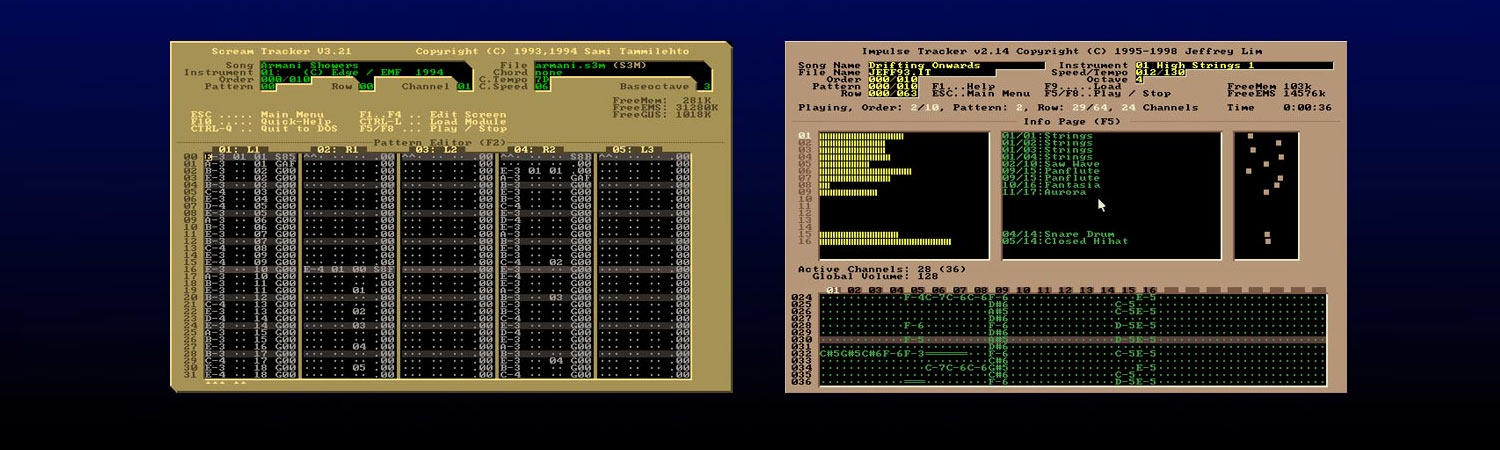
The two DOS-era programmers whose trackers rivaled FastTracker for the soul of the demoscene
In the early 1990s, before streaming, before DAWs, a small circle of programmers built the tools that let a generation compose music directly on a PC using nothing but sampled sound bites and a keyboard. Two of the most influential names in that world were Psi, the Finnish coder behind Scream Tracker, and Pulsar, the Australian coder behind Impulse Tracker. Together with FastTracker, their programs defined the "tracker wars" of the DOS demoscene.
Psi — Sami Tammilehto and Scream Tracker
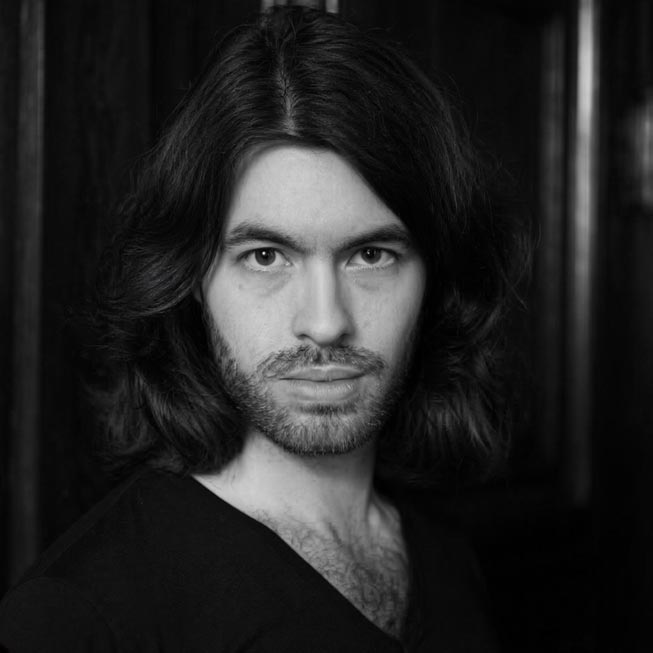
Sami Tammilehto, known by the handle Psi, was a co-founder of the legendary Finnish demogroup Future Crew, established in 1986. Future Crew would go on to create some of the most celebrated demos in computing history, including Unreal and the genre-defining Second Reality.
Psi's contribution to the group's toolkit was Scream Tracker, a music sequencer written in C and assembly language. Its first popular release, version 2.2, appeared in 1990 and could output sound through a PC speaker, a Covox Speech Thing, or an early Sound Blaster card. By version 3.0, Scream Tracker introduced the S3M module format, supporting up to 99 samples, 32 channels, and simultaneous FM-synthesis and digital playback — a combination that was unusual for the time.
The final version, 3.21, was released in 1994, putting Scream Tracker in direct competition with FastTracker II. While FastTracker eventually won over much of the scene with its cleaner interface, Scream Tracker's design left a lasting mark: it effectively established the conventions of PC music trackers and directly inspired the interface of the tracker that would come next — Impulse Tracker.
Pulsar — Jeffrey Lim and Impulse Tracker

Jeffrey Lim, working under the handle Pulsar (sometimes credited as "Pulse"), released Impulse Tracker as freeware on Christmas Day, 1995. Lim wrote the entire program in assembly language, reportedly starting the first lines of code over a Christmas break the year before, and built it up through years of feedback from the tracker community on bulletin board systems.
Impulse Tracker was designed as a direct successor to Scream Tracker 3, borrowing its visual layout while pushing the format much further: 64 channels, 16-bit samples, real stereo panning on the Sound Blaster, instrument envelopes, a low-pass filter, and "New Note Actions" for handling overlapping notes. For many musicians it made both Scream Tracker and FastTracker feel outdated overnight — though FastTracker's devoted user base largely stuck with the interface they already knew.
Impulse Tracker remained a DOS-only, assembly-language program throughout its life, which made it increasingly difficult to run as PC hardware moved on. Development continued informally through the late 1990s, with the last public version, 2.14, arriving in 1999. In 2014, on the program's 20th anniversary, Lim released the full source code under a BSD license, letting a new generation study and preserve the code that once powered thousands of tracker modules.
Two Trackers, One Legacy
Scream Tracker and Impulse Tracker, alongside FastTracker, formed the backbone of the PC tracker scene — a software lineage that traced back to Amiga's original SoundTracker and fed directly into the demoscene culture that still runs events like Assembly today. Psi and Pulsar never worked on a shared project, but their tools spoke to each other across years of module formats, borrowed interface ideas, and rival mailing lists, shaping how an entire era of musicians made music on a home computer.
Learn more:
- Scream Tracker — Wikipedia
- Impulse Tracker — Wikipedia
- Future Crew — Wikipedia
- Impulse Tracker on the Internet Archive
- Jeffrey Lim's "20 Years of Impulse Tracker" blog series
- Jeffrey Lim's Impulse Tracker site