Explore the museum
Explore the extensive and ever-growing collection of trackers for each platform, featuring detailed information.
Explore the extensive and ever-growing collection of trackers for each platform, featuring detailed information.
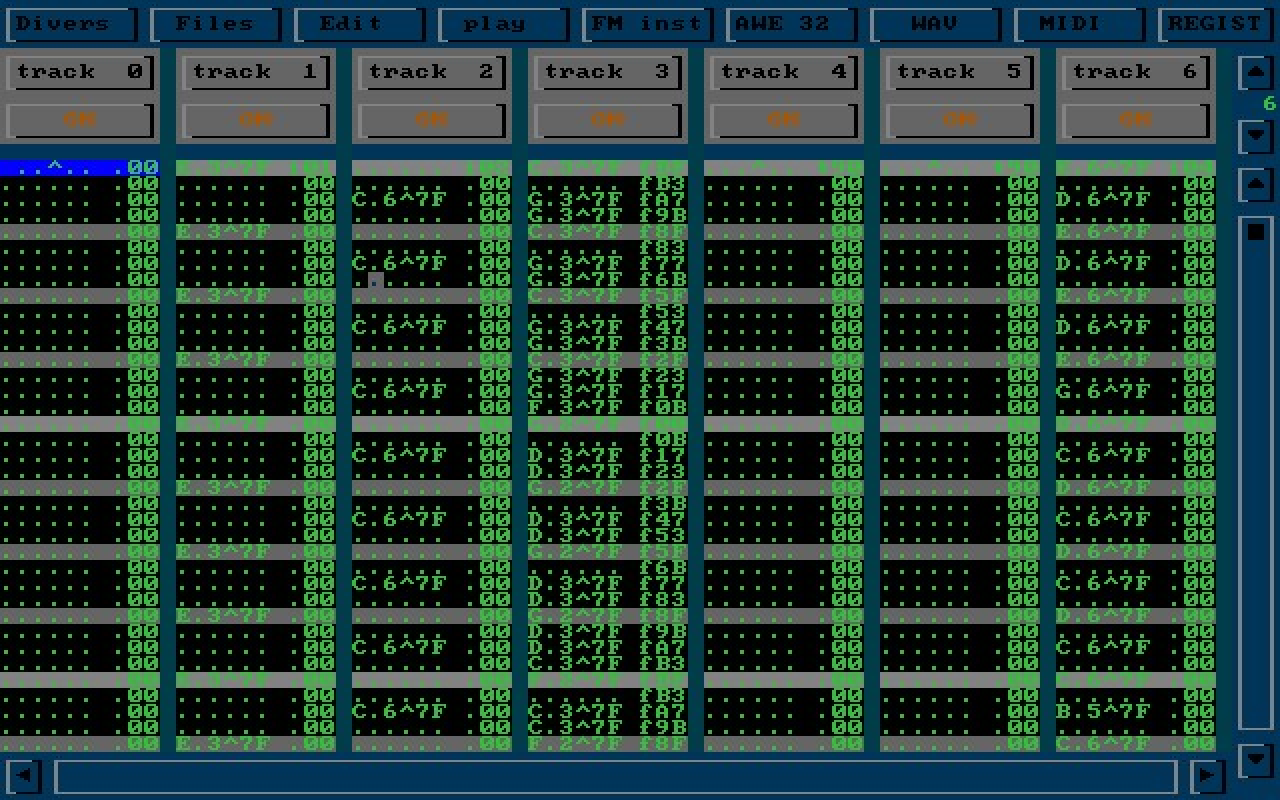
There was a lost era when small, aspiring music producers had access to a fascinating set of tools known as Trackers. These pattern‑based sequencers worked with pre‑recorded sounds — the iconic samples — and through clever editing and effect commands, they achieved spectacular results in a time dominated by 8‑bit chiptune and FM synthesis.
The first trackers were born on the Amiga, where strict memory limits forced musicians to squeeze every byte and invent new ways to make music that sounded good while staying efficient. In 1987, Soundtracker lit the spark of an international scene that soon filled countless homes with melodies that felt impossible for the hardware of the time.
When PCs and sound cards arrived, new trackers emerged — Scream Tracker, FastTracker, Impulse Tracker — expanding channels, effects, and sampling quality. The scene thrived thanks to the global exchange of modules, samples, and techniques. I was proud to be part of that community, contributing my own humble creations with Impulse Tracker and FastTracker.
Meanwhile, engineers were pushing PC audio even further. Retro gems like the Gravis Ultrasound and Sound Blaster series appeared. But one card shone above the rest: the Creative AWE32, followed by the AWE64 and AWE64 Gold. With its EMU8000 chip, it was a true musical beast capable of warmth and richness far beyond its time.
And it was for these cards that a nearly legendary program was born